 Start Point Aspetto Weight Vest
 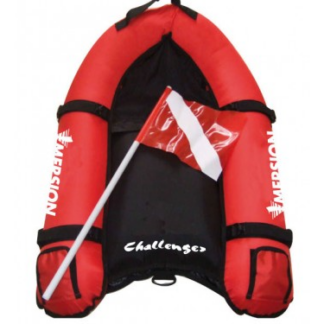 Imersion Challenger Float Board (SMB)
 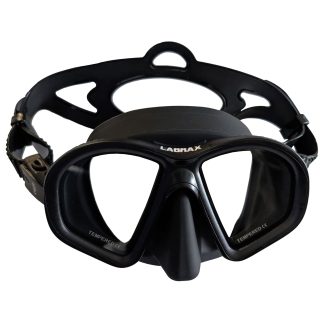 Start Point Labrax Mask
 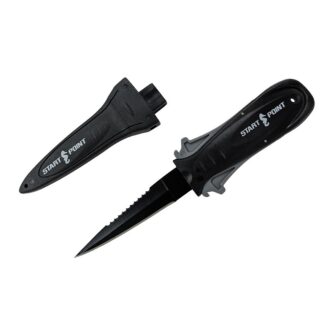 Start Point Spearfishing Dive Knife
 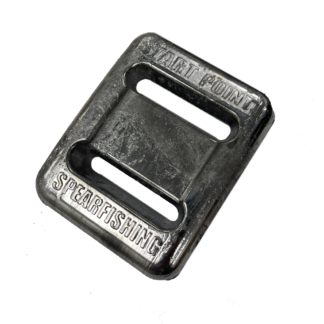 1kg Lead Dive Weight
 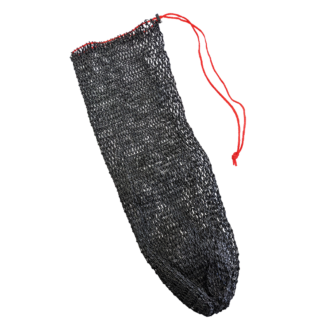 Start Point Scallop/Lobster Net Bag
 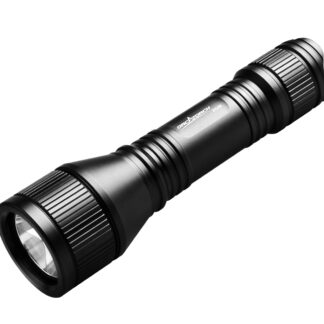 Orca D550 1000 Lumen Dive Torch
 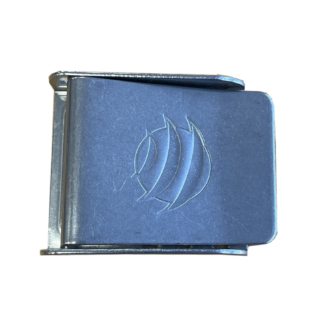 Spare Belt Buckle by Mac
 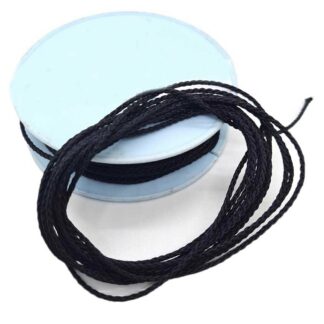 Denty Polyester Line 15m
 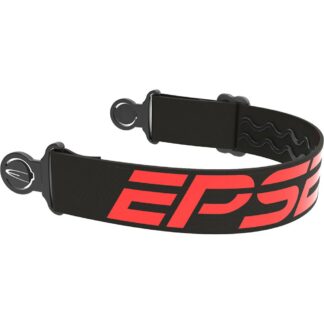 Epsealon Mask Strap "Fat Strap"
 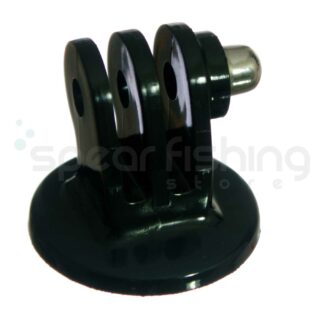 Tripod Mount For GoPro Cameras
 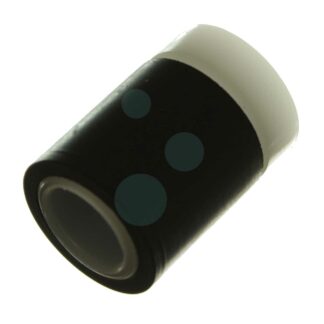 Cressi SL/SL Star Damper

My First Scallop Dive
I was buzzing in my brand new wetsuit — warm, comfy, and ready for my first proper spearfishing mission to get scallops. But as soon as I hit the water, things didn’t go quite as planned.
The sea was choppy, I was nervous, and my right ear just wouldn’t equalise. What started out feeling exciting quickly turned into a frustrating and painful learning curve.
If you’re new to freediving or spearfishing and battling with equalisation like I was, I hope this post helps you feel a bit more prepared — and reminds you that you’re not alone.
What Went Wrong – The Ear That Threw Me Off
From the start, I felt tense. The surface was rough, and I was already on edge. It was a new spot and I just jumped in. Then I noticed my right ear wasn’t clearing properly. I kept trying, but it just got more painful — and that pain made me even more tense.
A few times after my duck-dive I found myself spiralling down into the murky depths, kicking and feeling lost under the water is a scary place to be in.
Suddenly I wasn’t just trying to dive — I was trying not to panic. Not the best headspace to be in when you’re meant to stay relaxed and controlled underwater.
What Helped – Slowing Everything Down
Eventually, I had a little chat to myself and slowed everything right down.
- I gave myself more time to breathe up — resting on the surface longer before each dive to feel properly calm and ready.
- Ease into it with smaller, gentler dives as you make your way to your spot — treat it like a warm-up, not a race.
- If something feels off or starts to hurt, pause. I stopped trying to “push through” and instead focused on relaxing and resetting.
- The goal is to enjoy it — not just endure it. When you feel confident in the water, everything gets easier, especially staying relaxed.
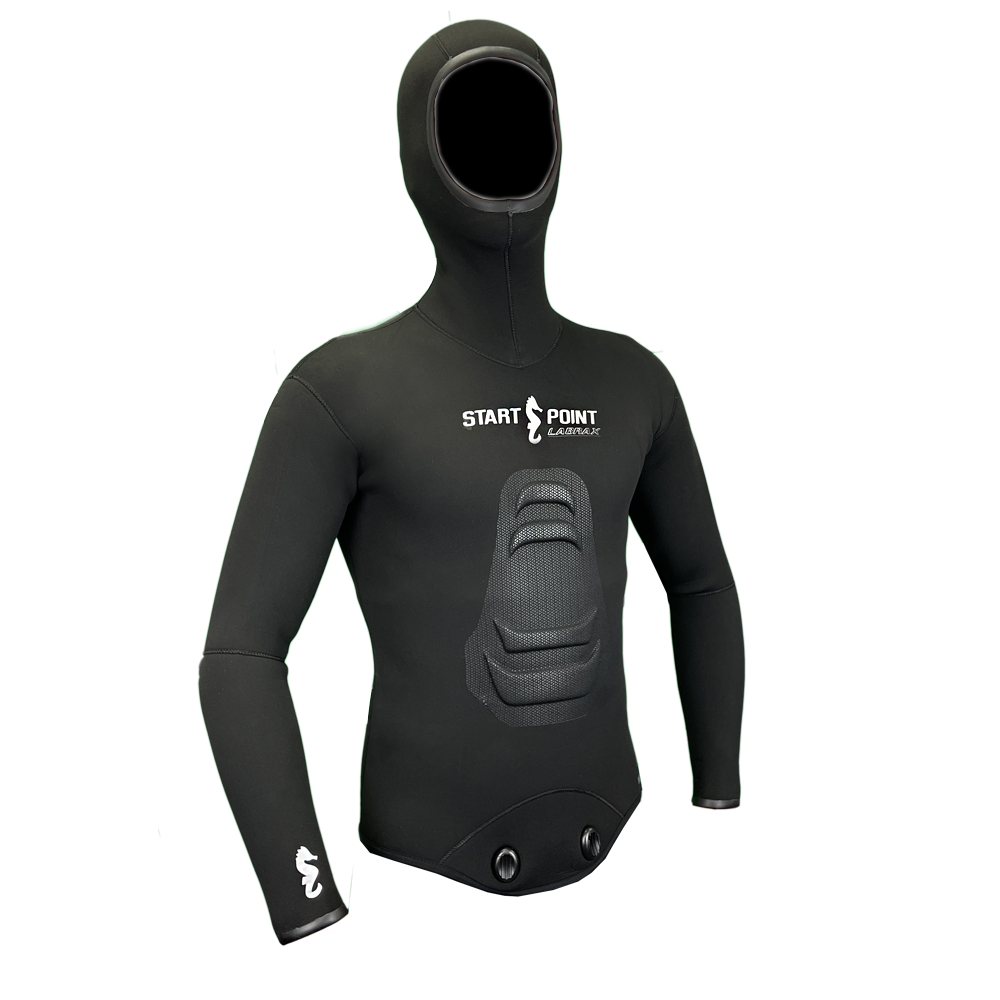
I realised I was putting pressure on myself without even noticing. Donning my sexy new Aspetto wetsuit, I wanted to dive like pro — going deep and staying down for ages. But skills like that take time. He’s been doing this for ten years. I was trying to match a level that I hadn’t trained for yet, and it was stressing me out. Letting go of that pressure was a turning point.
It’s funny — I thought equalisation was all about technique. But the biggest change came from relaxing my body, calming my mind, and easing back into the water.
“People forget equalising is 99% about relaxation and feeling comfortable.”
Freedive Menorca
Final Thoughts: Go Easy On Yourself
Spending time in the water made all the difference. Seeing the sea in all its states — calm, choppy, rising, or still — helped me build confidence and a deeper respect for the conditions. Getting in when it was a bit rough made me realise that when I’m fit, healthy, and feeling strong, I give myself the best chance of working with the ocean rather than against it. In the early days, I was tense in the water because I didn’t feel strong, and that made it hard to relax and equalise properly.
Checking out the spot beforehand really helped with peace of mind too — I liked going when the tide was low so I knew it was coming back in, which made me feel safer, like I wouldn’t get washed out to sea. Finding a spot I loved and returning to it again and again also helped; getting familiar with it in different conditions broke down fear and built a real sense of comfort. Even diving in pea-soup visibility days — where you can barely see your hand in front of your face — taught me a lot.
Those murky sessions made me appreciate the crystal-clear days even more. Over time, what once felt intimidating slowly became something I could genuinely enjoy, not just endure.