
 Start Point Aspetto Weight Vest
 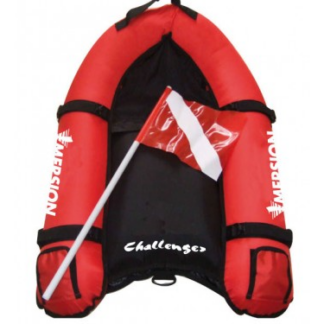 Imersion Challenger Float Board (SMB)
 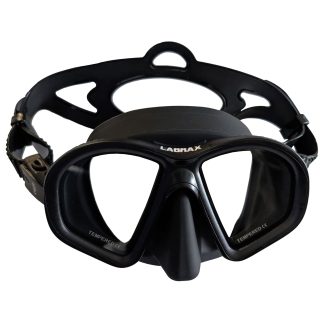 Start Point Labrax Mask
 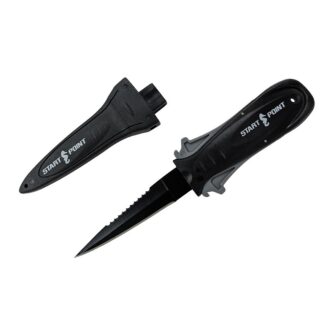 Start Point Spearfishing Dive Knife
  1kg Lead Dive Weight
 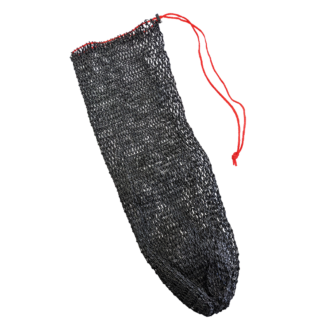 Start Point Scallop/Lobster Net Bag
 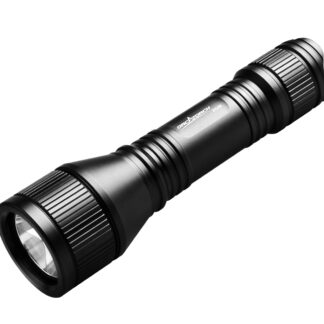 Orca D550 1000 Lumen Dive Torch
 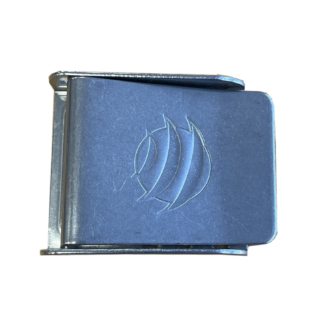 Spare Belt Buckle by Mac
 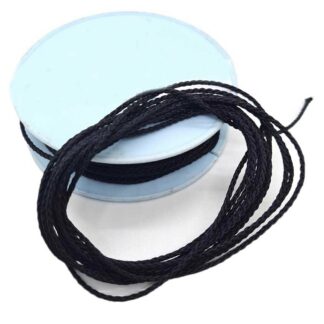 Denty Polyester Line 15m
 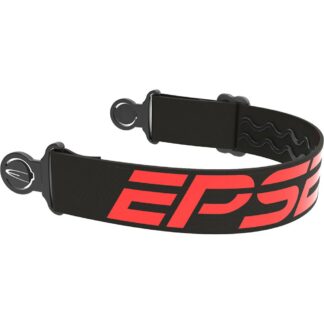 Epsealon Mask Strap "Fat Strap"
 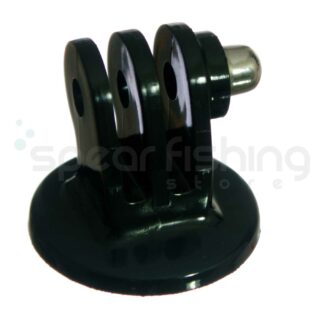 Tripod Mount For GoPro Cameras
  Cressi SL/SL Star Damper
  Apnea Mokan Shaft -Single Flopper 7mm (Notched)
  Pre-loved Gara Modular Impulse Fins Size 36/37
 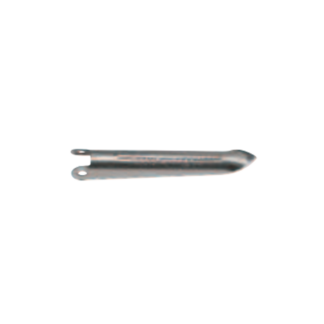 Spare Barb / Flopper for Speargun Shaft
  Sheathed Dyneema 1.4mm (per meter)
 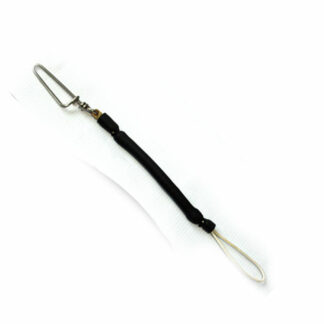 Swivel Clip Bungee
 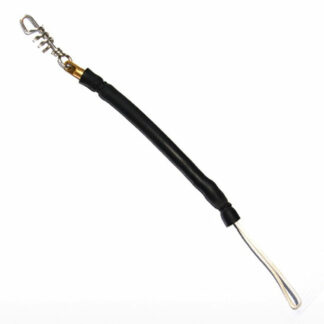 Pigtail Bungee
 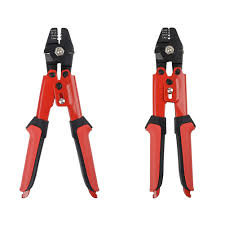 Imersion Crimping Tool Sleeve Crimper
 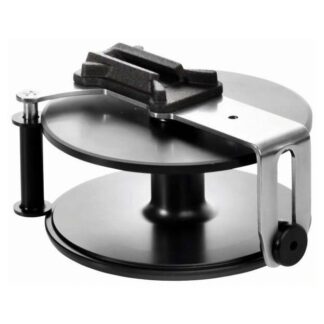 Cressi R50 Speargun Reel
 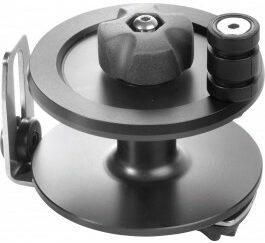 Cressi R30 Speargun Reel
 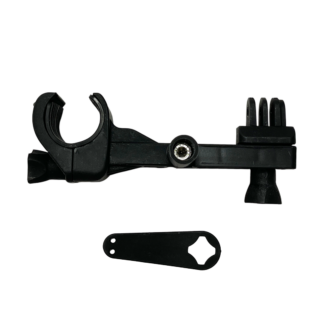 Universal Speargun Camera Mount
 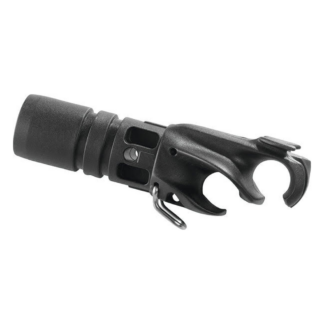 Cressi Cherokee Muzzle
 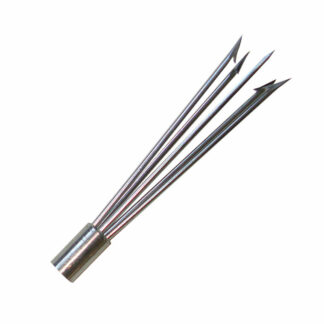 Start Point Fibreglass Pole Spear Replacement Tip
 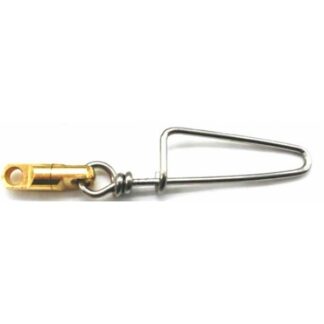 Denty Staple Swivel Clip
 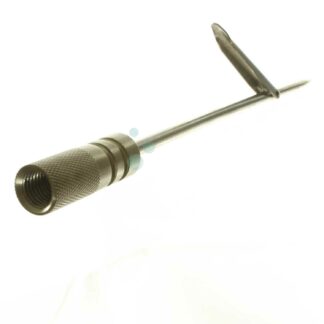 SFS Fibreglass Pole Spear Single Tip
  Apnea Fish Clicker
 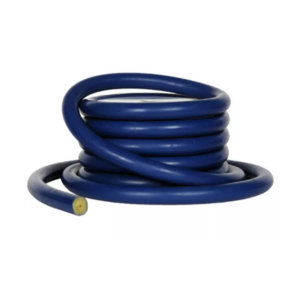 18mm Dipped Blue Speargun Rubber (Bulk Per Meter)
  Speargun Rubber 16mm Dipped Purple Band (Bulk Per Meter)
 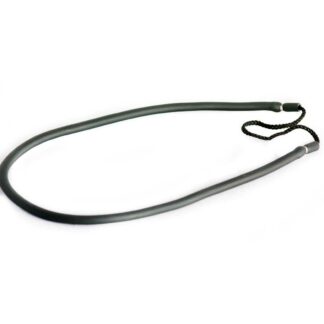 SPS Pole Spear Rubber Sling
 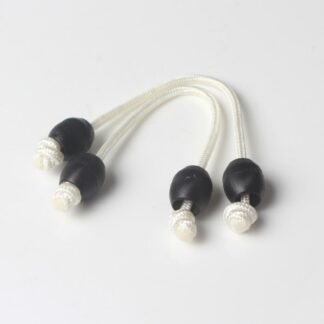 Dyneema Wishbone
 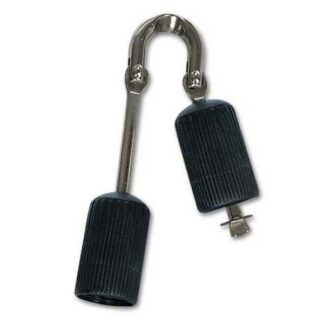 Imersion Articulated Wishbone
  Dyneema Wishbone Rigging Kit (with beads)
 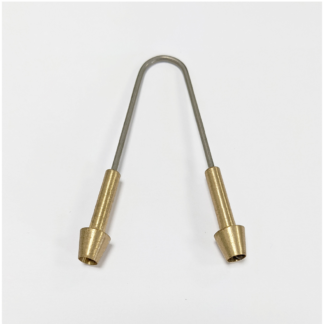 Metal Wishbone with ball inserts
 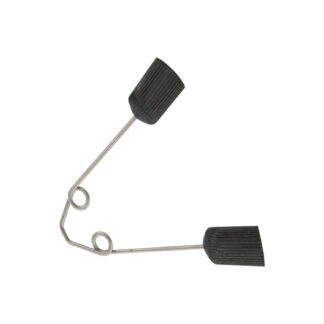 Apnea Curled 2mm Wire Wishbone
  Imersion Grand Raid Speargun Bag
  Cressi Dry Speargun Bag
  Imersion Changing Mat Bag
 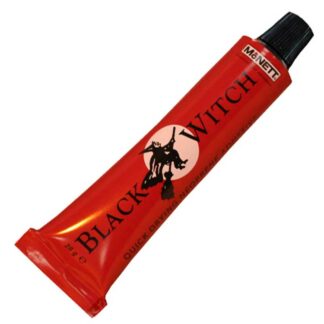 Black Witch Neoprene Adhesive Wetsuit Glue
 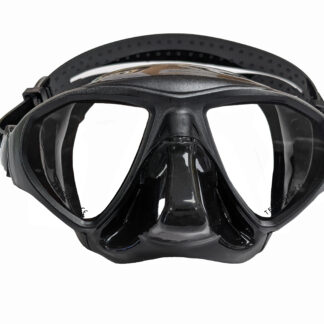 Start Point Aspetto Spearfishing Mask
 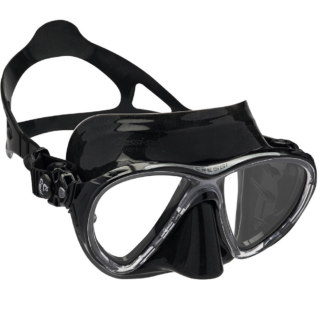 Cressi Big Eyes Evolution Mask
 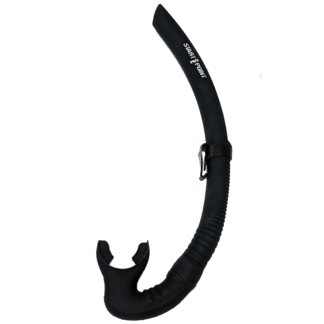 Start Point Silicone Snorkel (soft)
 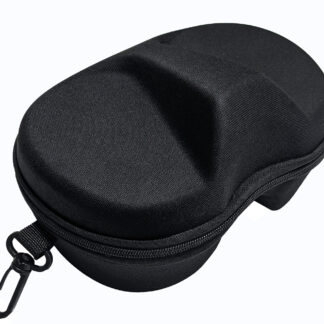 Hardshell Diving Mask Box
 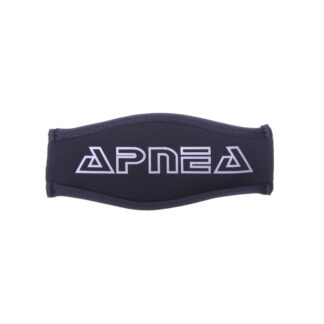 Apnea Neoprene Mask Strap Cover
 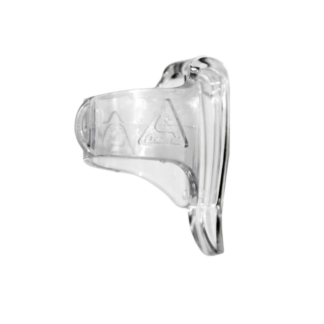 Cressi Top Snorkel Keeper - Clear
 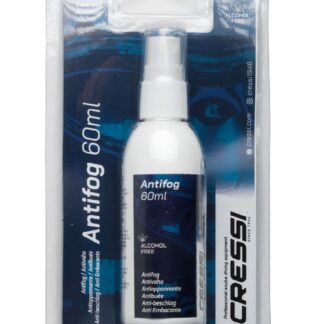 Cressi Antifog Spray 60ml
 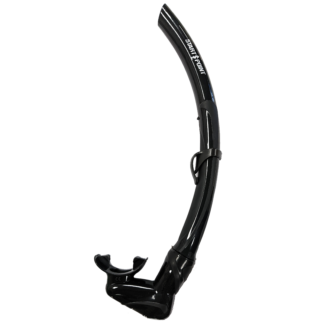 Start Point Purge Valve Snorkel
  Cressi Assembly Kit Gara Modular
 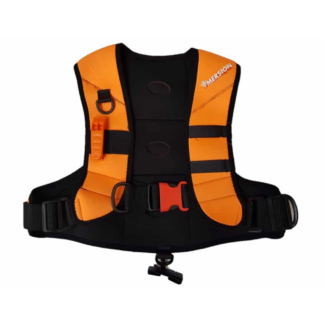 Imersion Visio Orange Weight Vest Harness
 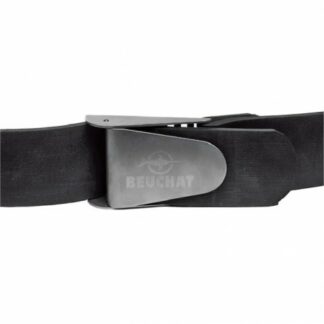 Beuchat Neoprene Weight Belt w. US Buckle
 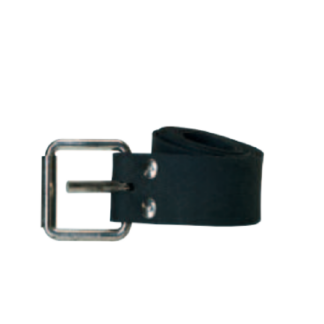 Imersion Neoprene Weight Belt w. Marseillaise Buckle
 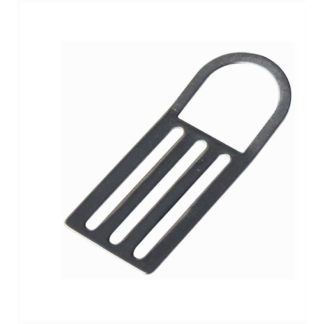 D Ring for Weight Belt (Horizontal Loop)
 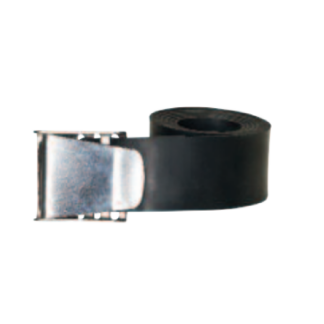 Imersion Neoprene Weight Belt w. US Buckle
  Start Point Labrax Weight Vest
 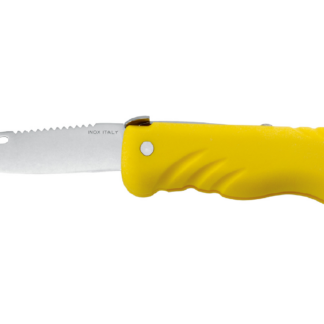 Mac Foldable Floating Knife
 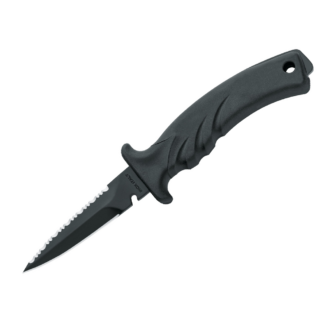 Mac Torpedo Coated Dive Knife
 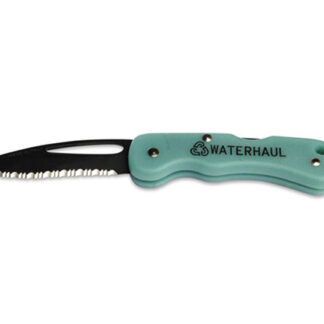 Waterhaul Recycled Beach Cleaner's Knife
 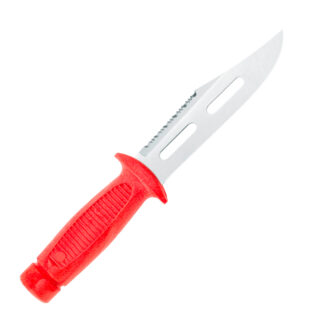 Mac Floating Knife
  Velcro Knife Strap
 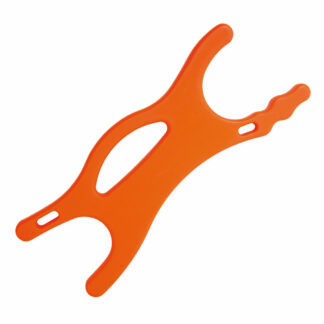 Apnea Line Winder
 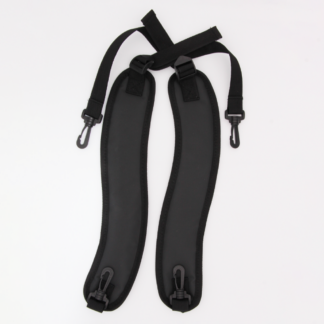 Backpack straps for dive float boards
  Imersion Double envelope mini inflatable board bladder
 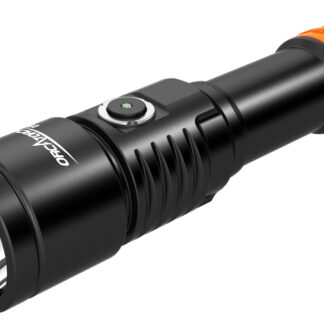 Orca D530 1300 Lumen Dive Torch
 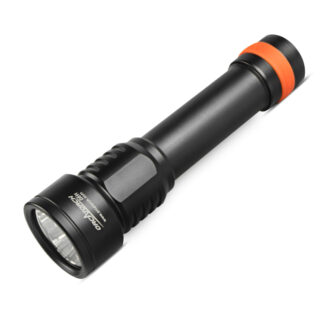 Orca D511 2200 Lumen Dive Torch
 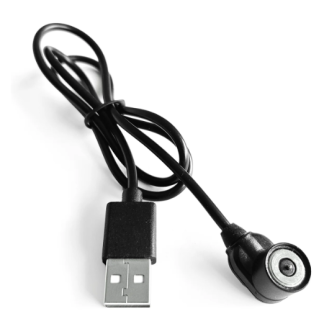 Cressi Magnetic Charging USB Cable
  Light Duty Storage Net Bag
 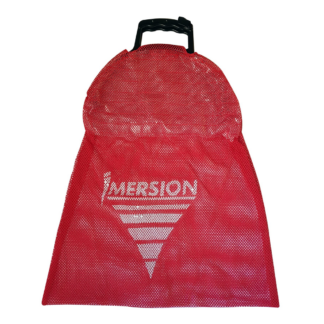 Imersion Red Net Bag
 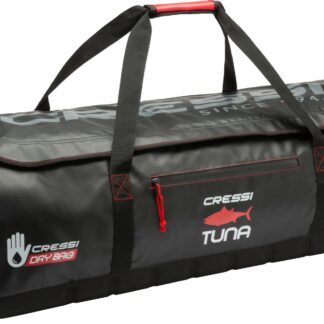 Cressi Tuna Wheel Bag
 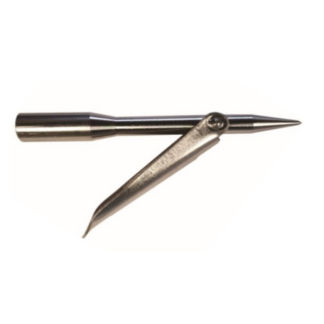 Imersion M7 Single Tip with Barb
 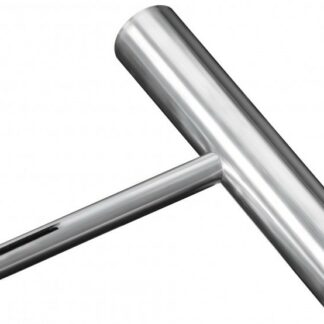 T-tool (for inserting wishbones)
 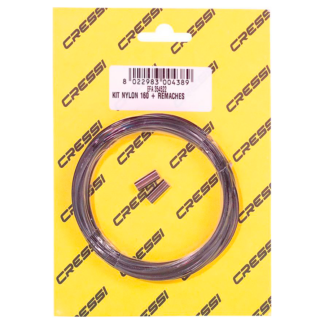 Cressi Monofilament Rigging Line for Speargun 1.8mm with Crimps
 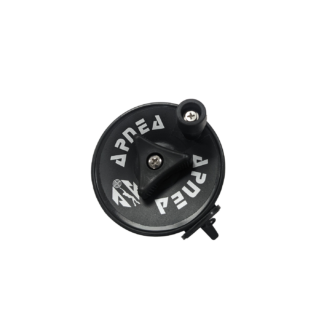 Apnea Universal Speargun Reel with 30M line
 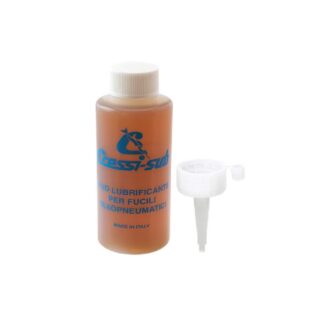 Speargun Oil 100ml
 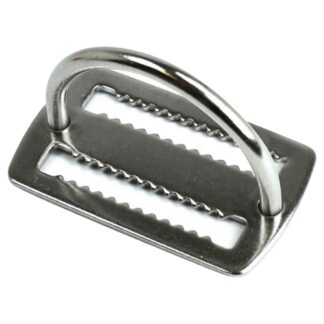 D Ring for Weight Belt (Vertical Loop)
 A Guide for UK Spearfishing Enthusiasts
Pollock Overview

Pollock, commonly referred to as the “European Pollock” or simply “Pollock,” is a member of the cod family (Gadidae). It is an abundant species found throughout the North Atlantic, with a strong presence in UK waters. Despite being lesser-known compared to other members of the family, like cod, pollock is highly valued in both recreational and commercial fishing circles.
Unfortunately in 2024, the International Council for the Exploration of the Seas (ICES) set the Total Allowable Catch of pollock by commercial fishing boats to zero. The ban was triggered by catch data from larger boats across the EU, particularly wreck-netters who have targeted spawning stocks of pollock over winter. Fortunately, recreational fishing of pollock is still permitted. The catch by spearfishers is small and highly selective, with zero bycatch, and no damage to the ocean, litter or pollution.

Description and Identifying Features
Pollock can be easily identified by its sleek, elongated body and a few key features:
- Coloration: Pollock typically exhibits a dark green or olive-brown back, fading to a lighter silver-gold on its sides and belly. Juveniles often have pronounced golden markings along their lateral lines, which become less defined as the fish matures.
- Lateral Line: One of the distinguishing features of pollock is the highly visible lateral line, which runs prominently from head to tail. This line appears straight and pale, setting it apart from similar species like cod and coalfish, whose lateral lines tend to be more curved or less defined.
- Fins: Pollock have three dorsal fins and two anal fins, similar to cod. However, their body shape is more streamlined, built for speed and agility in the water.
- Size: In UK waters, pollock typically range between 50 cm to 75 cm, although larger specimens can grow over a meter in length, particularly in deeper waters. Average weights range from 1.5 kg to 5 kg, but it’s not uncommon for spearfishermen to encounter larger fish up to 10 kg.
Habitat and Distribution
Pollock are found around the entire coastline of the UK, particularly favouring rocky areas, kelp beds, and wrecks where they can ambush prey. They are highly adaptable and can live in a variety of water depths, from shallow inshore reefs to deep offshore waters of 100 meters or more.
Inshore: Juvenile pollock tend to inhabit shallow waters near the coast, around rocky shores and piers, where they feed on small crustaceans and plankton. This makes them an ideal target for beginner spearos, as they can be found closer to shore during their early life stages.
WATCH: Spearfishing large pollock from the shore
Offshore: Larger adult pollock prefer deeper waters and are often associated with pinnacles and wrecks. In these environments, they are highly active predators, feeding on smaller fish such as sandeels, herring, and sprats. For spearfishing, targeting these environments is key to finding larger sized pollock.
WATCH: Spearfishing a pinnacle for pollock
Pollock Population in UK Waters
Pollock populations in UK waters remain relatively stable, making them a sustainable species to target for recreational fishing, including spearfishing. They are listed as a species of “least concern” by the International Union for Conservation of Nature (IUCN), which means that, at present, there are no significant conservation concerns regarding their population levels in UK waters. However, like all marine species, they are subject to the effects of overfishing and environmental changes, so it is essential to practice responsible spearfishing.
For more detailed information about pollock populations and fishing regulations, the UK’s Marine Management Organisation (MMO) and the International Council for the Exploration of the Sea (ICES) offer useful insights on catch limits and sustainability efforts for this species .
Interesting Facts About Pollock
- Excellent Camouflage: Pollock’s coloration helps it blend seamlessly with the kelp beds and rocky environments in which it lives, making it an elusive target for predators—and for spearfishermen. Their natural ability to change the shade of their body color slightly to match their surroundings is a testament to their effectiveness as predators.
- Fast Growth: Pollock are relatively fast-growing fish, reaching maturity within 3-4 years. This rapid growth rate contributes to their population stability and resilience to fishing pressures, provided responsible practices are observed.
- Cold-Water Adaptation: Pollock thrive in cooler waters, which is why they are widespread in the UK. They are particularly active in the spring and summer when the coastal waters warm slightly, making these months ideal for spearfishing.
Spearfishing Tips for Pollock
Pollock is one of the most exciting and challenging species to target for UK spearos. They are fast, strong swimmers and can give a good fight once speared. Here are some essential tips for successfully hunting pollock:
- Target Areas: Focus on pinnacles, rocky reefs, kelp forests, and wrecks where pollock are known to hunt. These fish tend to patrol the edges of these structures, so positioning yourself near these areas increases your chances of encountering one. Larger pollock can be targeted using a boat to access pinnacles which come out of deep water. Often, currents can be strong at these locations so drift dives are necessary.
- Best Time to Spear: Pollock are more active during dawn and dusk, making these times ideal for spearfishing. However, they can be found throughout the day, especially when tidal currents are strong and pushing prey fish closer to shore.
- Approach: The best technique to spear pollock is the Aspettto, which means, taking a position on the seabed and waiting as quietly and calmly as possible. This is usually enough to stoke the curiosity of the fish and they will glide towards you for a look. Take care with your shot placement as these fish are extremely powerful, so a shot high in the back or belly will result in a lost fish. Ideally, a spear behind the eye will stone the fish and make the trip back to the surface an easy one.
- Equipment: It depends on the visibility. Often, a medium-length speargun (75-90cm) is ideal for UK pollock. In exceptional visibility however, a 90-100cm speargun can be useful. Ensure your speargun is powerful enough to penetrate, particularly when targeting larger specimens. A reel is also an excellent tool for pollock spearfishing as you can allow the fish to run as you swim back to the surface. An ideal setup for spearfishing pollock in the crystal clear waters of Cornwall would be a Start Point Labrax 90 or 100, with twin 14mm bands and a reel with 30M of line. Choose a shaft with a double flopper as these fish run extremely hard if they are not stoned.
- Depth: Pollock are commonly found between 5 to 20 meters, depending on the size and location. Larger pollock tend to stay deeper, so free-diving skills are a significant advantage for spearos looking to land bigger catches.

Regulations and Sustainability
Spearfishing is subject to strict regulations in the UK to ensure the sustainability of fish stocks and protect the marine environment. While there are no specific quotas for pollock in recreational fishing, it’s vital to adhere to size limits and avoid spearfishing in Marine Conservation Zones (MCZs) where certain activities may be restricted. Always check local regulations before you head out, and ensure you are aware of any no-take zones in your chosen location.