
 Start Point Aspetto Weight Vest
 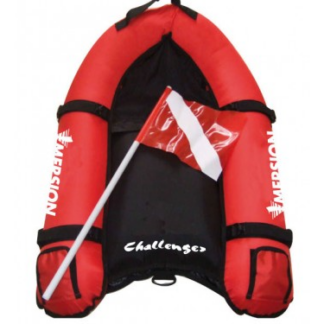 Imersion Challenger Float Board (SMB)
 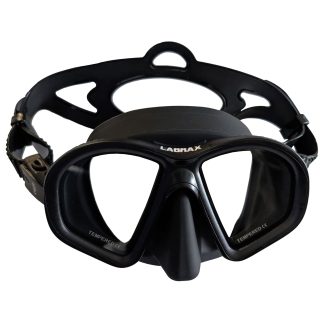 Start Point Labrax Mask
 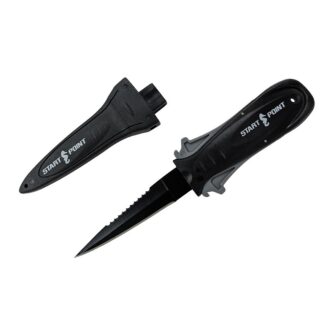 Start Point Spearfishing Dive Knife
 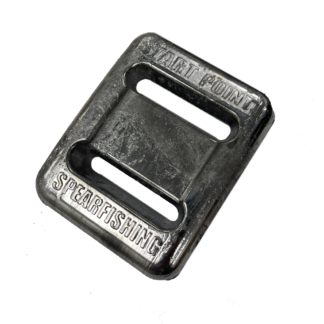 1kg Lead Dive Weight
 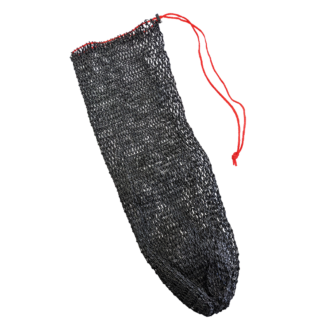 Start Point Scallop/Lobster Net Bag
 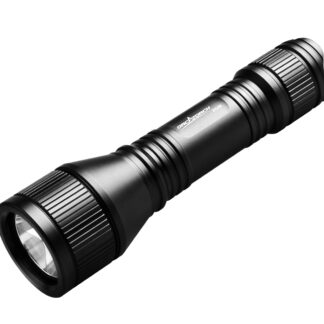 Orca D550 1000 Lumen Dive Torch
 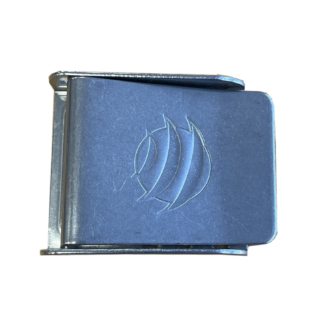 Spare Belt Buckle by Mac
 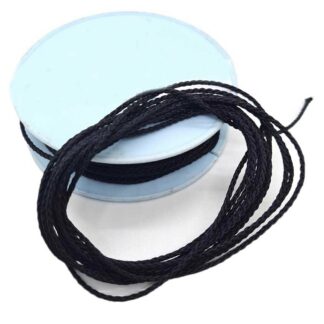 Denty Polyester Line 15m
 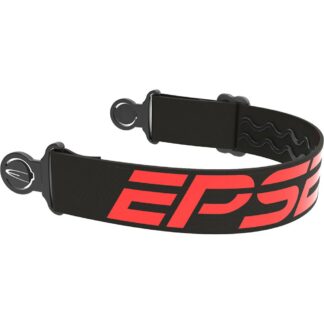 Epsealon Mask Strap "Fat Strap"
 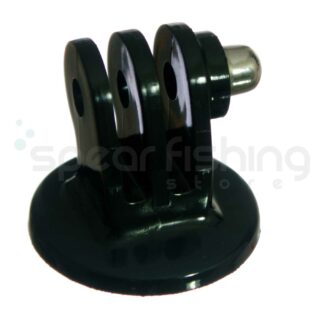 Tripod Mount For GoPro Cameras
  Cressi SL/SL Star Damper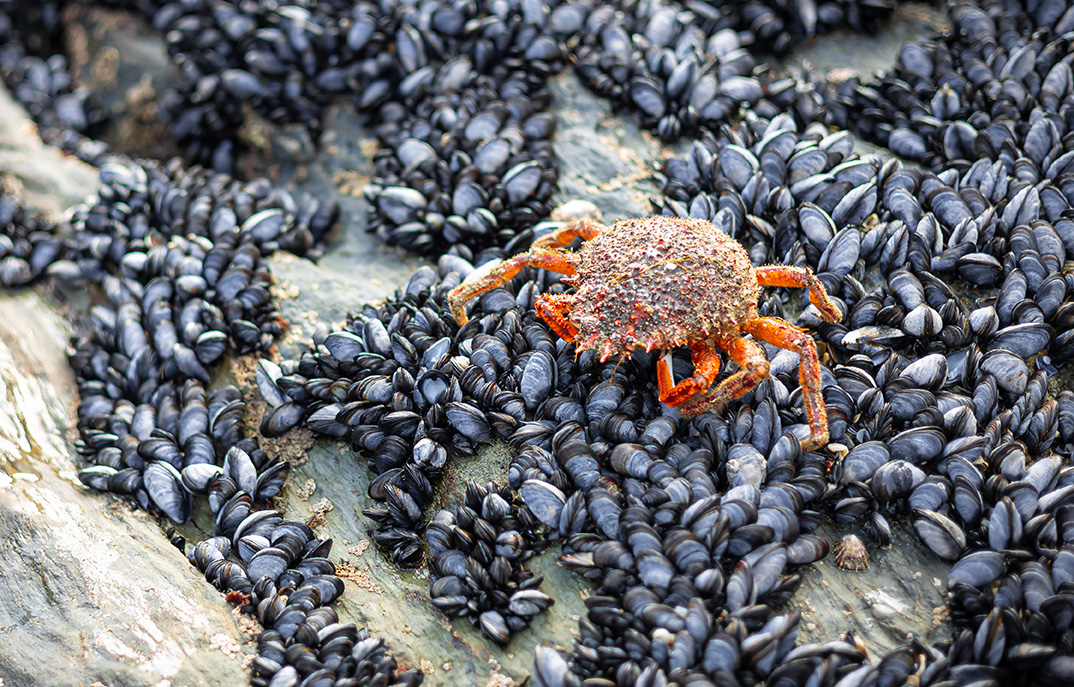
They’re here — and they’re not shy.
Every summer, spider crabs march into our shallow waters like silent invaders, arriving in huge numbers along the south coast. Their alien-like appearance might be intimidating, but for those in the know, they’re a seasonal delicacy well worth the effort.
But before you grab your bag and go, here are a few golden rules to make sure your spider crab foraging is sustainable, respectful, and tasty.
✅ Know the Legal Limits
📏 Size Does Matter!
To protect young crabs and ensure a healthy population, the Devon & Severn Inshore Fisheries and Conservation Authority (IFCA) sets a legal minimum landing size of 130mm across the carapace (that’s the main shell).
Measure from between the eyes to the back of the shell — no legs, claws, or side measurements allowed.
🔧 Top Tip: Pick up a crab measuring gauge to make quick work of checking your catch.

🦀 The Max 3 Crab Rule
While some sources say “take what you need,” the legal recreational limit by the IFCA is set to three crabs of any species per day. That’s total — not just spider crabs.
So yes, that includes brown crabs, velvet swimmers, and more. Be mindful.
🔗 Apply for your Recreational Diving Permit here
If you’re diving (even freediving) for any crustaceans, including scallops, a permit is legally required. It’s a quick online process (costs just £20 for 2 years) and helps protect local stocks.
👀 Male or Female? Here’s How to Tell
Spotting the difference isn’t just a fun party trick — it’s crucial for sustainable foraging.
- Male crabs tend to have larger, chunkier claws.
- Females are generally more slender, with delicate pincers.
But the clearest way to tell?
Flip them over.
- Females have a wide, rounded tail flap on their underside. This is where they carry their eggs.
- Males have a narrower, pointed flap.
If you spot eggs tucked under that tail flap, you’ve found a berried female — and she’s strictly off-limits. These mothers-to-be are vital for future crab populations. Handle with care and return them gently to the sea.

🌊 Did You Know?
Spider crabs are long-distance travellers, migrating over 100 miles a year!
- In autumn, they head to deeper waters.
- Come spring, they return to the shallows — with females arriving first, followed by large males in early to mid-summer.
This is the perfect time to spot them — their slow, lumbering gait makes them easier to catch than you might think. Look around rocks, kelp forests, or any area with good cover.
🧼 Final Tips for Clean, Respectful Foraging
- Bring a net bag for easy carrying — and ice your catch as soon as possible for best flavour.
- Brush them off or rinse in seawater to remove mud and sand.
🍽️ Dispatching & Cooking Your Catch
Spider crabs have sweet, delicate white meat — especially in the legs and claws. Once cooked, the body can also be picked clean for fantastic bisques, curries, or crab cakes.
🔪 Need prep help? We love Seth’s respectful video on the best way to dispatch your Spider Crabs in a humane way, how to cool them and meat extraction.
Cooking:
- Pan of hot salty water
- Submerge your crab fully in the water
- Cook on a boil for around 20 minutes
- Pull the crab out and drain the water off
- Leave for 5 – 10 minutes to cool.
- Leave 30mins to pick all the meat out – follow this video
In Summary
- ✅ Measure all crabs (130mm minimum across the carapace)
- ✅ No more than 3 crabs per person, per day
- ✅ Get your diving permit before harvesting crustaceans
- ✅ Know your males from your females — and release berried females
- ✅ Be respectful, gentle, and take only what you’ll eat
Spider crab season is a gift. Treat it — and the ocean — with the care it deserves.